
E-Waste Detection Using Artificial Intelligence
All over worldwide, electronic waste is fastest growing waste categories. Electronic waste commonly known as e waste. Tons of electronic components discarded every year as with rapid changes in technology with advancement so frequent device replacement. Improper disposal of electronic waste cause environmental pollution and problem of health hazards. To solve this issue, Computer Vision and Artificial Intelligence (AI) technologies are rapidly being used for Electronic Waste Detection.
What is E-Waste Detection?
Electronic Waste Detection refers to the process of detection and recognition e waste items automatically using machine learning, image processing and deep learning techniques. This software helps to identifying e waste from general waste, making recycling environment friendly and more efficient.
Electronics Waste Detection using Machine Learning
Why E-Waste Detection is Important
- Reduced Human Effort: AI-powered systems reducing labor costs, minimize manual sorting
- Environmental Protection: Electronic devices contain hazardous materials such as cadmium, mercury, and lead. Identifying e-waste properly helps reduce pollution.
- Smart Waste Management: E-waste detection supports smart city initiatives by improving waste segregation and management processes.
- Improved Recycling Efficiency: Automated detection systems can quickly identify electronic components, increasing recycling speed and accuracy.
Technologies Used in E-Waste Detection:
- Machine Learning: ML algorithms detect and classify e-waste based on extracted features.
- Image Processing: Image processing techniques extract features from images of electronic waste objects.
- Computer Vision: It enables systems to recognize electronic items in real-time using cameras.
- Deep Learning: Convolutional Neural Networks (CNNs) automatically learn patterns from images and improve detection accuracy.
Input Image:-



Results:-
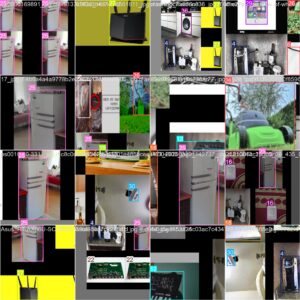
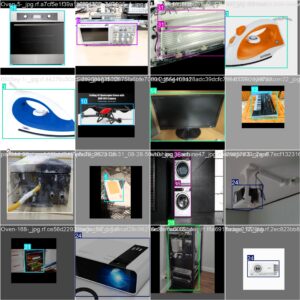
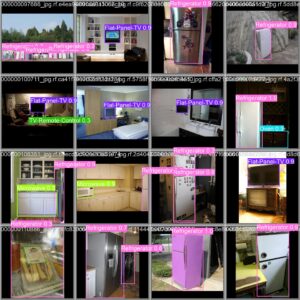
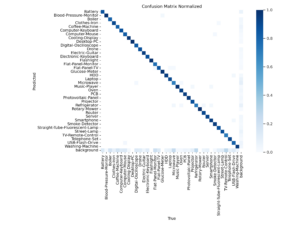
Graphs:-
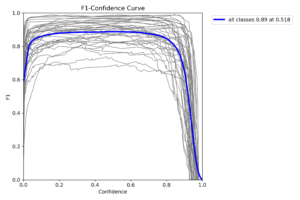
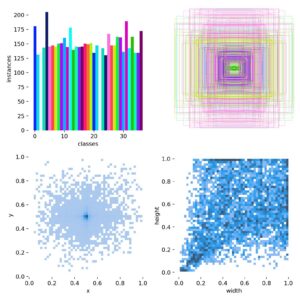


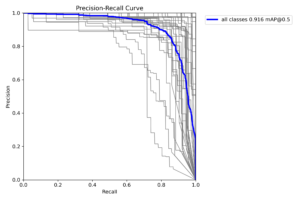

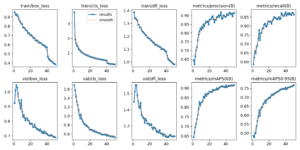
Steps to Build an E-Waste Detection System:
Step 1: Data Collection: Collect images of electronic waste such as
- Cables
- Batteries
- Mobile phones
- Computer components
- Chargers
Step 2: Data Preprocessing
- Remove noise
- Resize images
- Normalize data
- Apply augmentation techniques
Step 3: Model Training
- YOLO
- ResNet
- CNN
- MobileNet
Step 4: Testing and Evaluation
- F1 Score
- Accuracy
- Recall
- Precision
Step 5: Deployment: Deploy the model using
- Smart bins
- Web applications
- Mobile applications
- Industrial sorting systems
Training Code:-
- !unzip “/content/drive/MyDrive/e-waste/Balanced E-Waste Dataset.v3-e-waste-dataset-balanced-200-images-per-class.yolov11.zip”
- %pip install “ultralytics<=8.3.40” supervision roboflow
- Ultralytics 8.3.40 🚀 Python-3.12.11 torch-2.8.0+cu126 CUDA:0 (Tesla T4, 15095MiB) Setup complete ✅ (2 CPUs, 12.7 GB RAM, 39.3/112.6 GB disk)
- import ultralytics
- ultralytics.checks()
- !yolo task=detect mode=train model=yolo11s.pt data=data.yaml epochs=50 imgsz=640 plots=True
- !zip -r ‘/content/runs_e_waste.zip’ ‘/content/runs’
- from google.colab import files
- files.download(“/content/runs_e_waste.zip”)
Applications of E-Waste Detection:
- Smart Dustbins: AI dustbins automatically identify and separate electronic waste.
- Environmental Monitoring: Governments can monitor waste disposal practices effectively.
- Smart Recycling Plants: Automated e waste sorting systems improve recycling efficiency.
- Manufacturing Industries: Factories can identify electronic components.
Challenges in E-Waste Detection:
- Different lighting conditions.
- Limited datasets
- Complex object variations
- Similar appearance between objects
Future of E-Waste Detection:
Future systems may integrate robotics, IOT, AI, and automation to develop fully autonomous waste management systems. Advanced models can provide faster and more accurate real-time detection.
Conclusion:
E-Waste Detection using Artificial Intelligence is changing waste management by making recycling faster, smarter, and more efficient. With growing environmental concerns, AI-based detection systems will play a significant role in building sustainable and eco-friendly societies.
By combining deep learning, image processing, and computer vision technologies, organizations can create intelligent systems capable of solving real-world waste management problems.
☎️ Contact Us For More Queries:-
📲 Call/WhatsApp: +91-9460060699
🌎 Website: www.techieprojects.com
📺 Instagram: @pythonprojects_
💡 Checkout Related Projects:-
1. Android App:- Click Here
2. Java Projects:- Click Here
3. OpenCV Projects:- Click Here
4. Data Science Projects:- Click Here
5. Data Analytics Projects:- Click Here
5. Deep Learning Projects:- Click Here
6. Cyber Security Projects:- Click Here
7. Machine Learning Projects:- Click Here
8. Image Processing Projects:- Click Here
9. Web Development Projects:- Click Here
10. Game Development Projects:- Click Here
11. Artificial Intelligence Projects:- Click Here
12. Database Management System:- Click Here